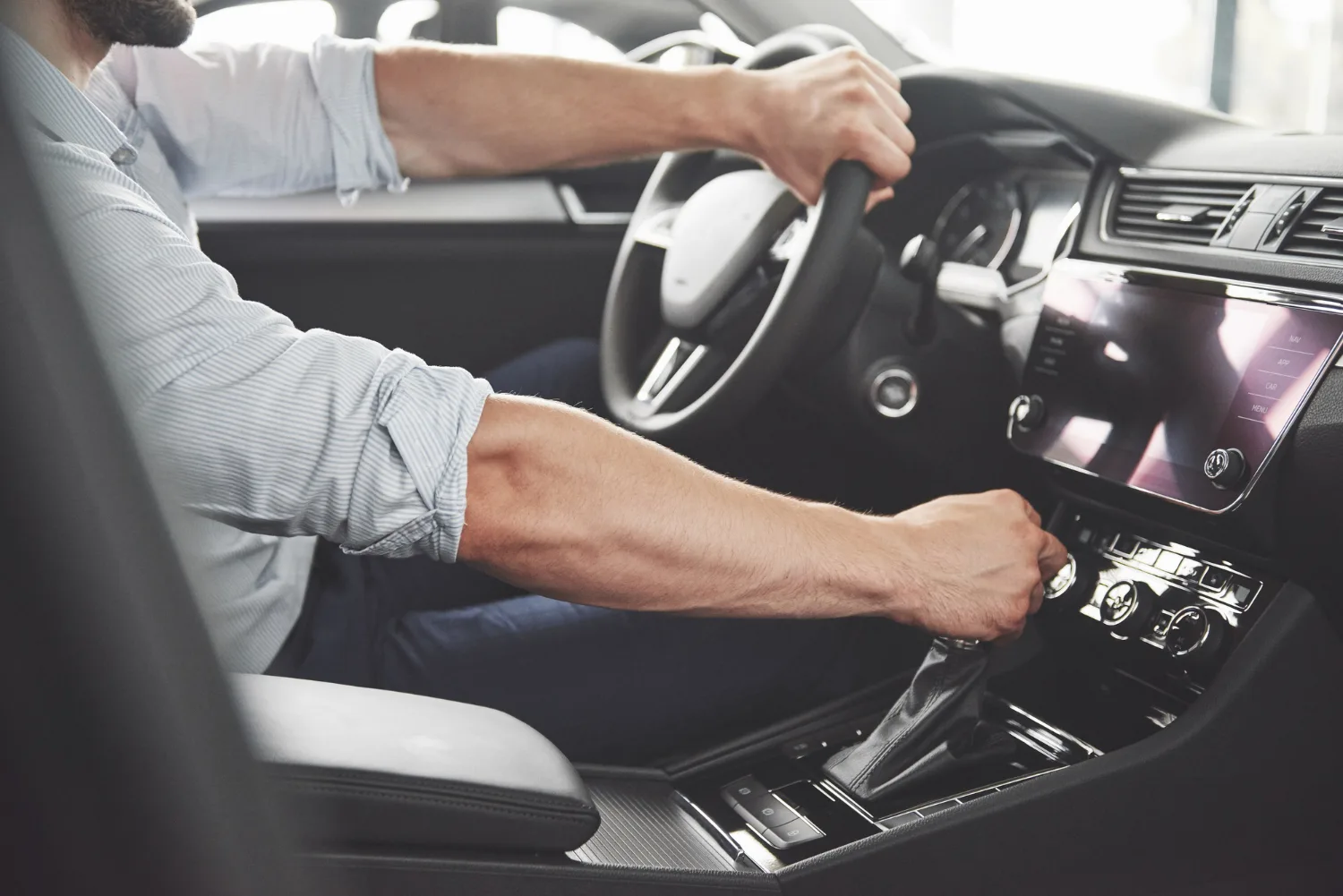
When driving an automatic car, a common question arises: should you keep the gear in D (Drive) or shift to N (Neutral) at a red light? The answer depends on the type of automatic transmission your vehicle has and the duration of the stop.
Types of Automatic Transmissions
There are primarily three types of automatic transmissions: torque converter, dual-clutch, and continuously variable transmission (CVT). Each has its own characteristics and best practices.
Torque Converter Automatic
In vehicles with a torque converter automatic transmission, keeping the car in D at a short stop is generally acceptable. The torque converter allows the engine to idle without stalling. However, for longer stops, shifting to N can reduce engine load and improve fuel efficiency.
Dual-Clutch Transmission (DCT)
Dual-clutch transmissions are more sensitive to prolonged idling in D. It's advisable to shift to N during longer stops to prevent unnecessary wear on the clutches.
Continuously Variable Transmission (CVT)
CVTs are designed to handle idling in D efficiently. However, shifting to N during extended stops can still be beneficial for reducing engine strain.
Auto Hold Systems
Many modern vehicles come equipped with Auto Hold systems, which automatically hold the brakes when the car is stopped, allowing you to keep the gear in D without applying the brake pedal constantly. This feature can enhance convenience and reduce driver fatigue.
Impact on Transmission Longevity
Frequent shifting between D and N is generally not necessary and can lead to premature wear. It's important to follow the manufacturer's guidelines for your specific vehicle to ensure optimal transmission health.
For more insights on car maintenance, visit our Maintenance section.