
InCarz
All Articles
-
Why Your Brake Pedal Feels Different Right After the Car Wash
Water on brake discs can briefly change friction after washing or deep water. Learn what can be temporary and which symptoms require immediate inspection.
-
Why the Inside of Your Windshield Gets Greasy Instead of Just Foggy
A persistent interior haze can come from cabin materials, smoke, cleaning products or, in some cases, heater-core leakage. The pattern matters more than simply wiping it again.
-

Why Your Car's Air Conditioner Leaves a Puddle Under the Passenger Side
Clear water under a parked car on a hot day is often normal A/C condensate. Learn how to distinguish it from coolant, washer fluid, fuel or a blocked evaporator drain.
-

Why a Car Battery Can Test 'Good' but Still Fail the Next Cold Morning
A battery's open-circuit voltage does not tell the whole story. Cold-cranking ability, state of charge, parasitic load and intermittent connections can create confusing results.
-
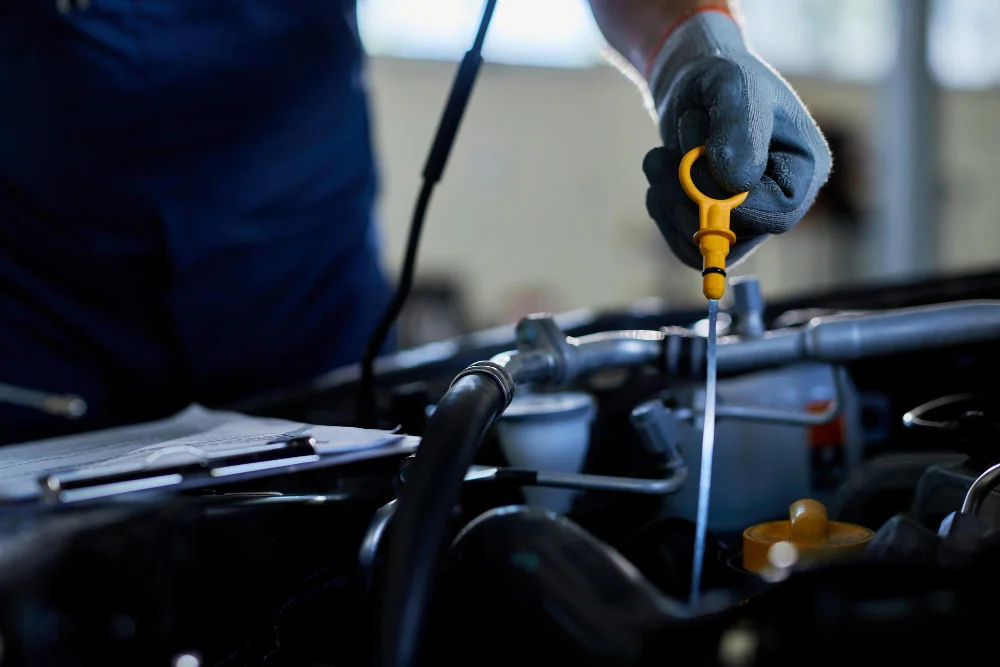
The Oil Level Is Rising Instead of Falling: Why Some Diesels Can Dilute Engine Oil With Fuel
An oil level above the maximum mark can be more concerning than normal oil consumption. Repeated interrupted DPF regeneration is one possible route for diesel fuel to contaminate engine oil.
-
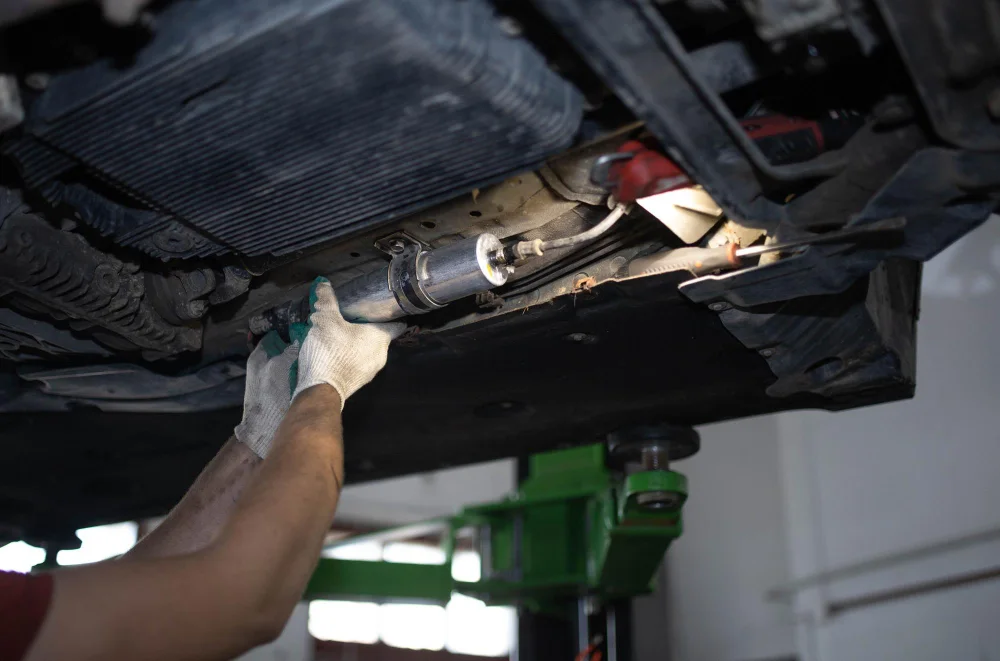
Why a Diesel Car's Idle Speed Suddenly Rises: It May Be Regenerating the DPF
A slightly higher idle, cooling fan, hotter exhaust smell and changed start-stop behavior can coincide with active diesel particulate filter regeneration.
-
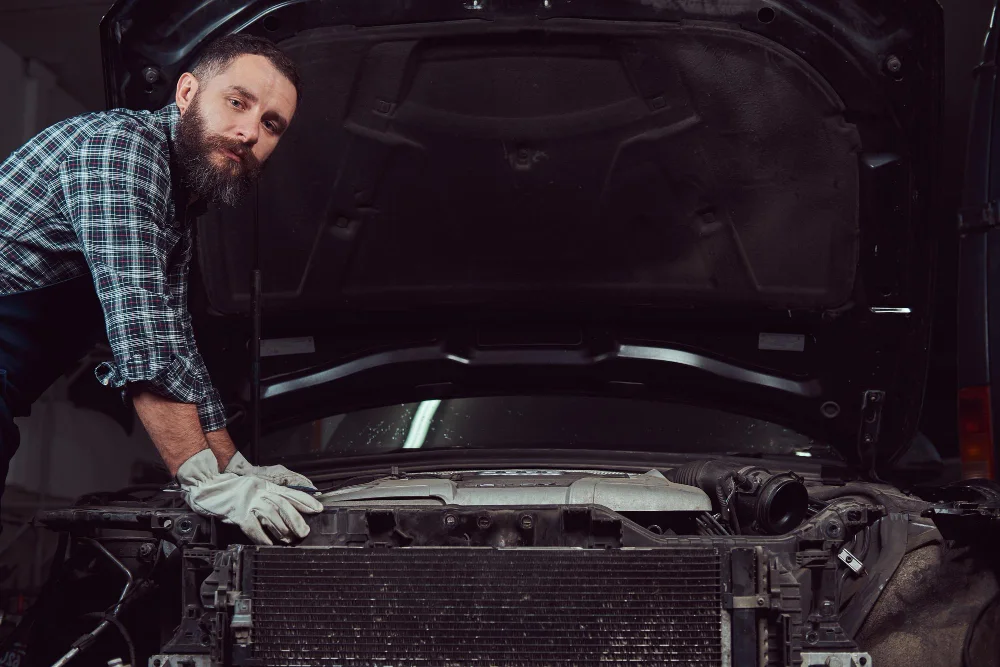
Why Your Car's Radiator Fan Can Keep Running After You Turn the Engine Off
Cooling fans can continue after shutdown for several legitimate reasons, but context matters. Learn how coolant temperature, air-conditioning load, turbo heat soak and diesel regeneration change the diagnosis.
-
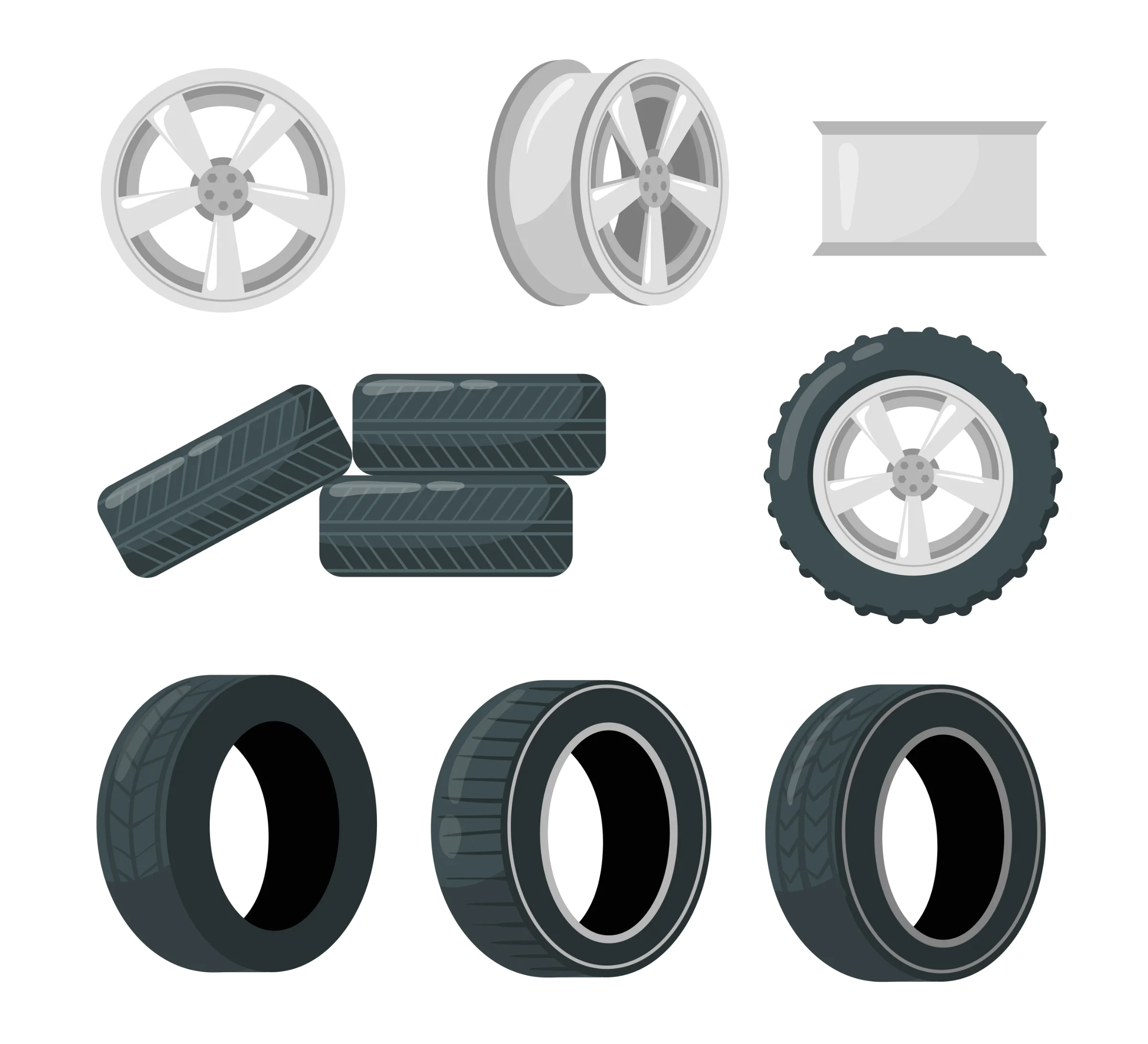
How to Read Tire Sidewall Codes Beyond the Tire Size
Learn how to read tire sidewall codes to understand load index, speed symbol, construction, and date codes, and why your vehicle's placard and manual are crucial.
-
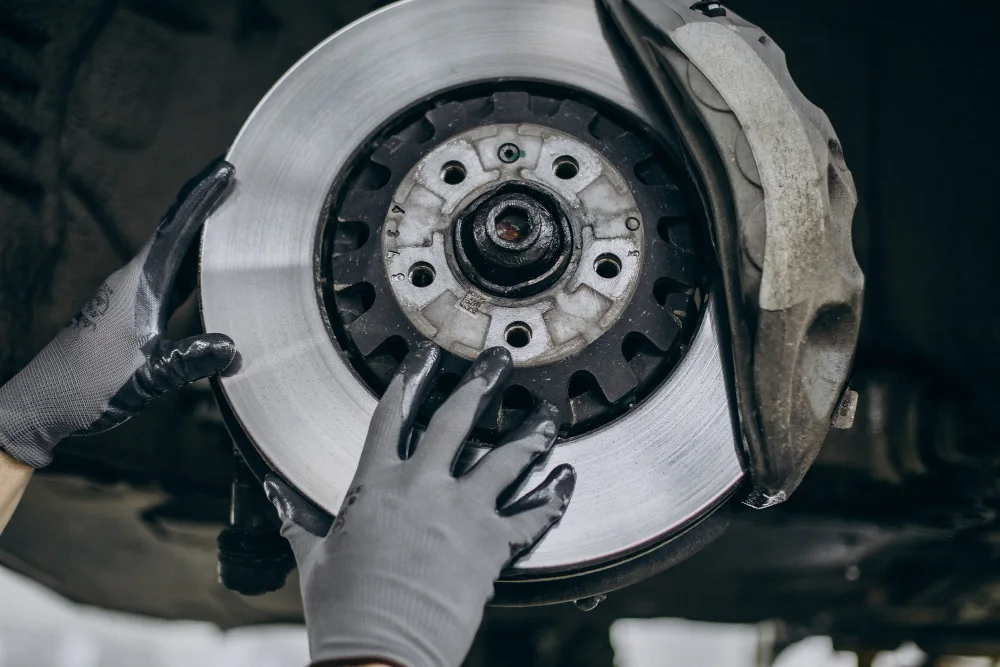
Brake Fluid Checks: What Color Can and Cannot Tell You
Learn how to effectively check your brake fluid using visual inspection, reservoir level, moisture testing, and manufacturer service schedules.
-
Can You Drive With Low Coolant? Warning Lights and the Safe Next Step
Low coolant can lead to overheating, so the safe response depends on the warning shown, engine temperature and visible signs of leakage.
-
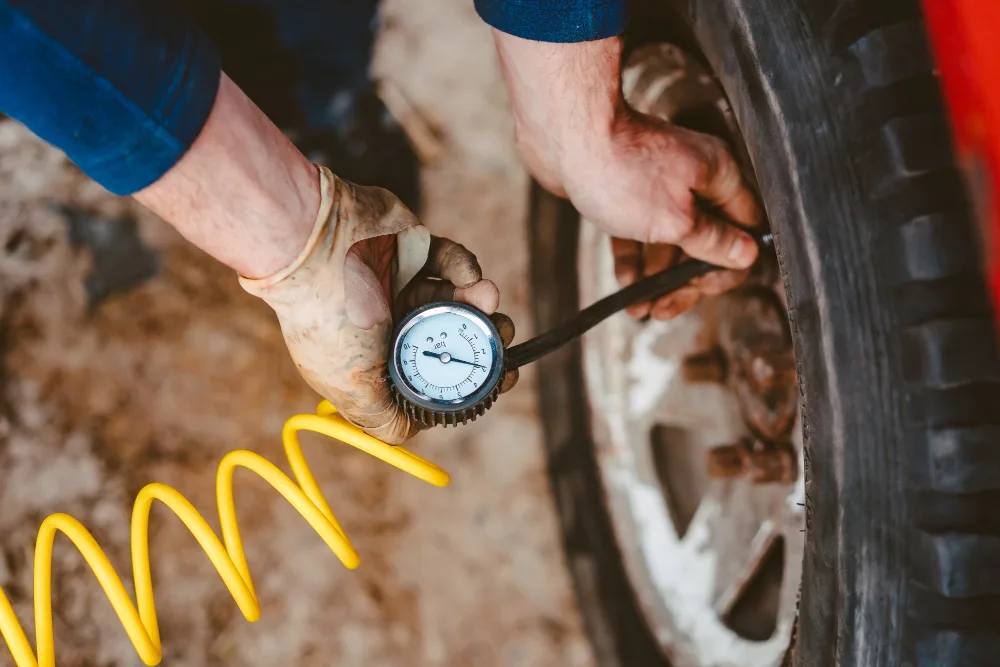
Why Tire Pressure Changes in Cold Weather: A Measurement Guide for Drivers
A practical method for checking tire pressure as temperatures fall, interpreting TPMS warnings and knowing when repeated loss needs inspection.
-
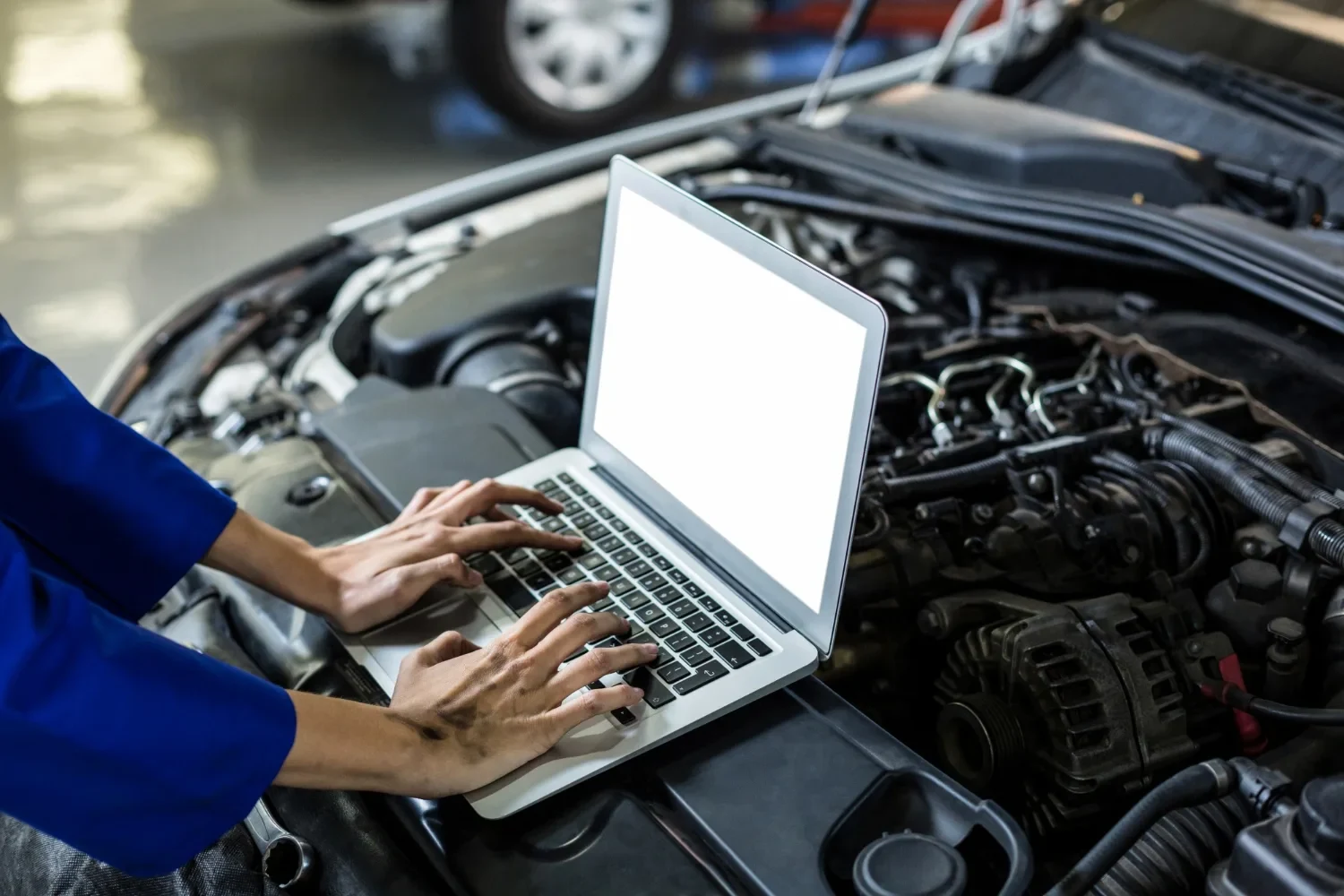
Does the Start-Stop System Really Save Fuel or Harm Your Engine?
The start-stop system promises fuel savings, but does it deliver without harming your engine or battery? We explore its functionality and impact on different vehicle components.
-
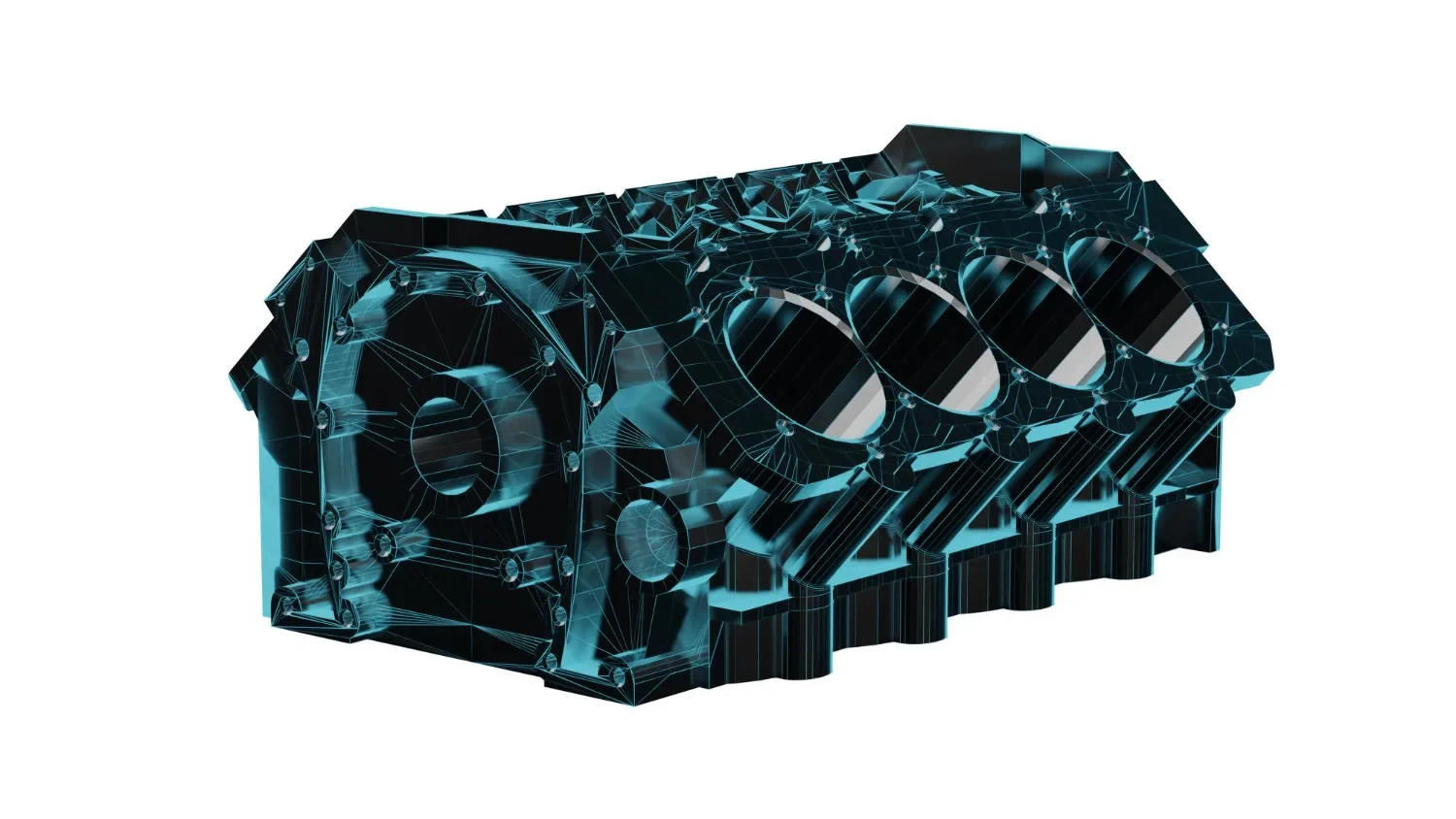
Do You Need to Wait for Your Engine to Warm Up?
Discover whether it's necessary to wait for your car's engine to warm up in modern vehicles and the implications of driving immediately.
-
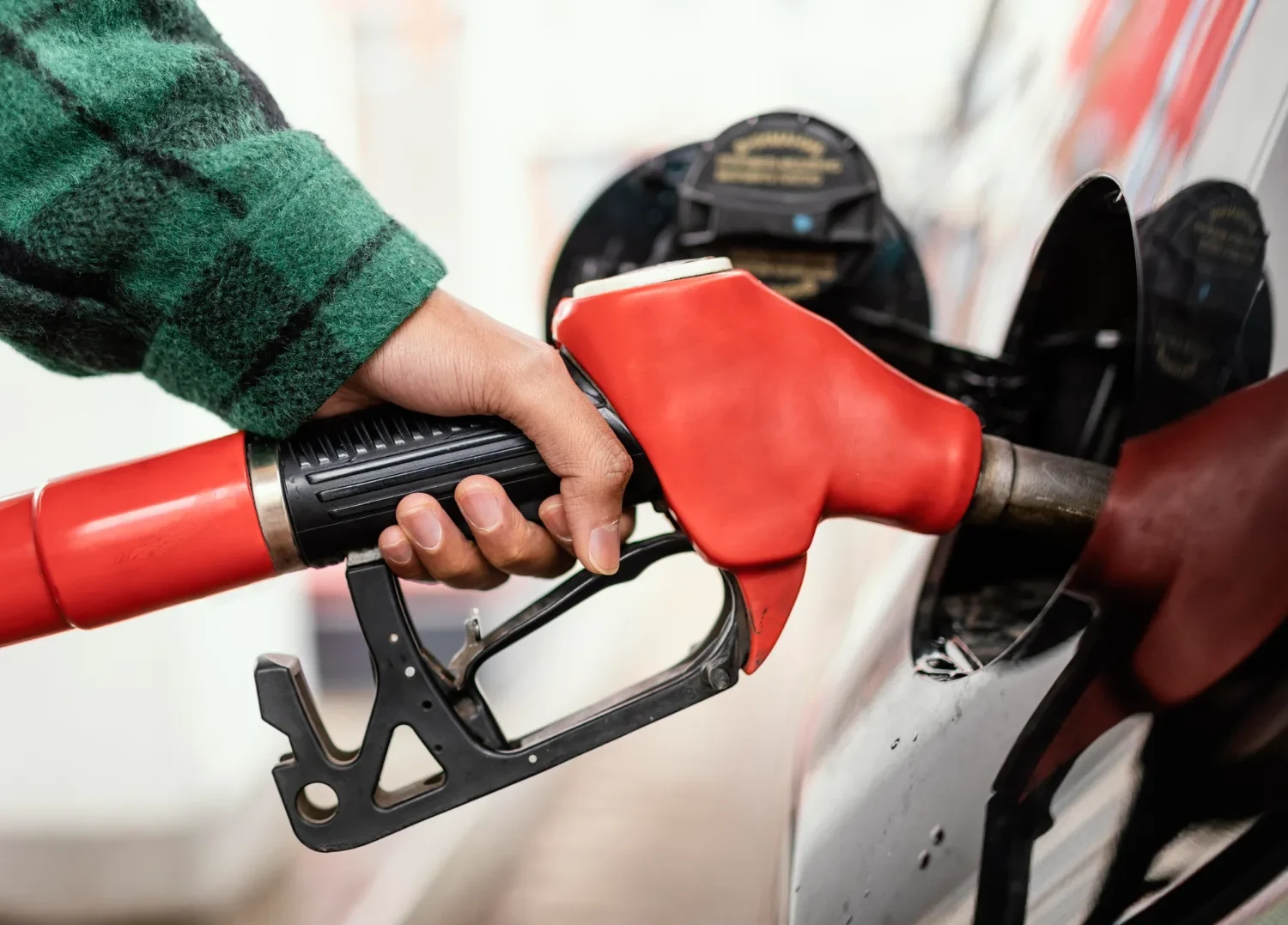
Does Premium 95, 97, or 98 Octane Fuel Really Enhance Performance?
Explore whether higher octane fuels like 95, 97, or 98 truly boost performance, the meaning of octane ratings, and their effects on different engines.
-

Should You Wait in D or N at a Red Light with an Automatic Transmission?
Explore whether you should keep your car in D or shift to N at red lights, and learn about the differences between torque converter, dual-clutch, and CVT transmissions.
-
Does Constant Use of ECO Mode Harm Your Engine?
ECO mode is generally safe for continuous use, but its softer responses may not suit every road, load, or maneuver.
-
How to Compare the True Cost of Two Used Cars
Discover the essential factors to consider when comparing the true cost of two used cars. Learn how to evaluate beyond the sticker price to make an informed decision.
-

How Vehicle Size Changes Everyday Usability
Discover how the size of your vehicle can influence its usability in everyday situations, from parking to fuel efficiency.
-

Sedan, Hatchback, or Wagon: A Practical Space Comparison
Explore the practical space differences between sedans, hatchbacks, and wagons to find the best fit for your needs.
-
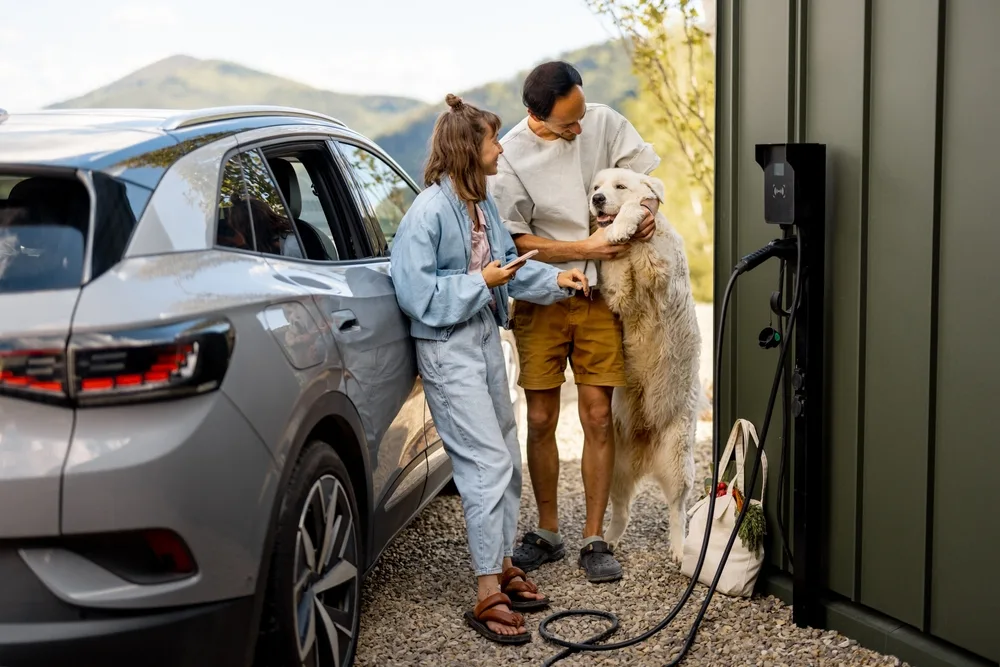
How to Evaluate Home Charging Before Choosing an EV
Before choosing an electric vehicle, understanding the nuances of home charging is crucial. This guide walks you through the essential factors to consider.