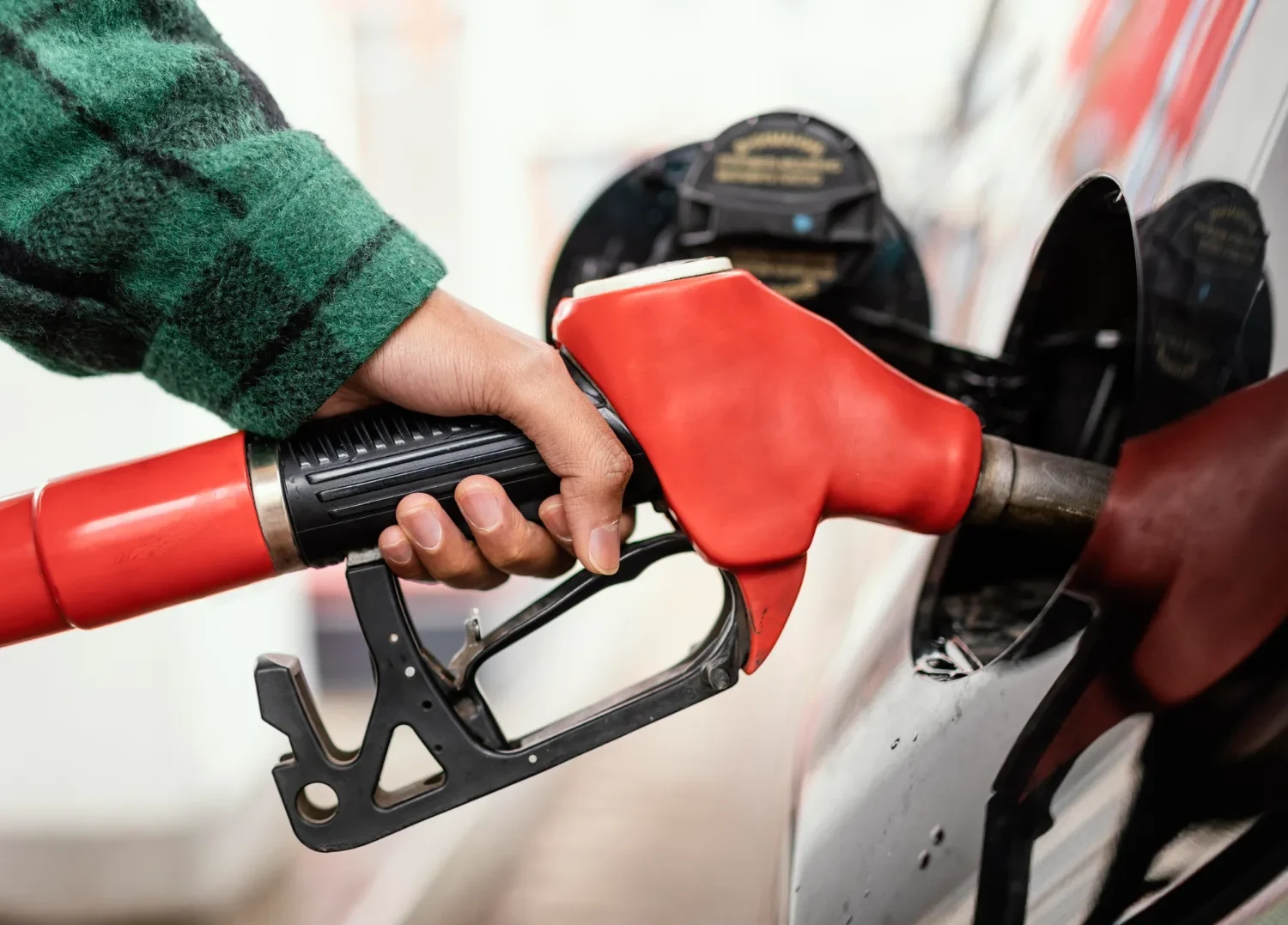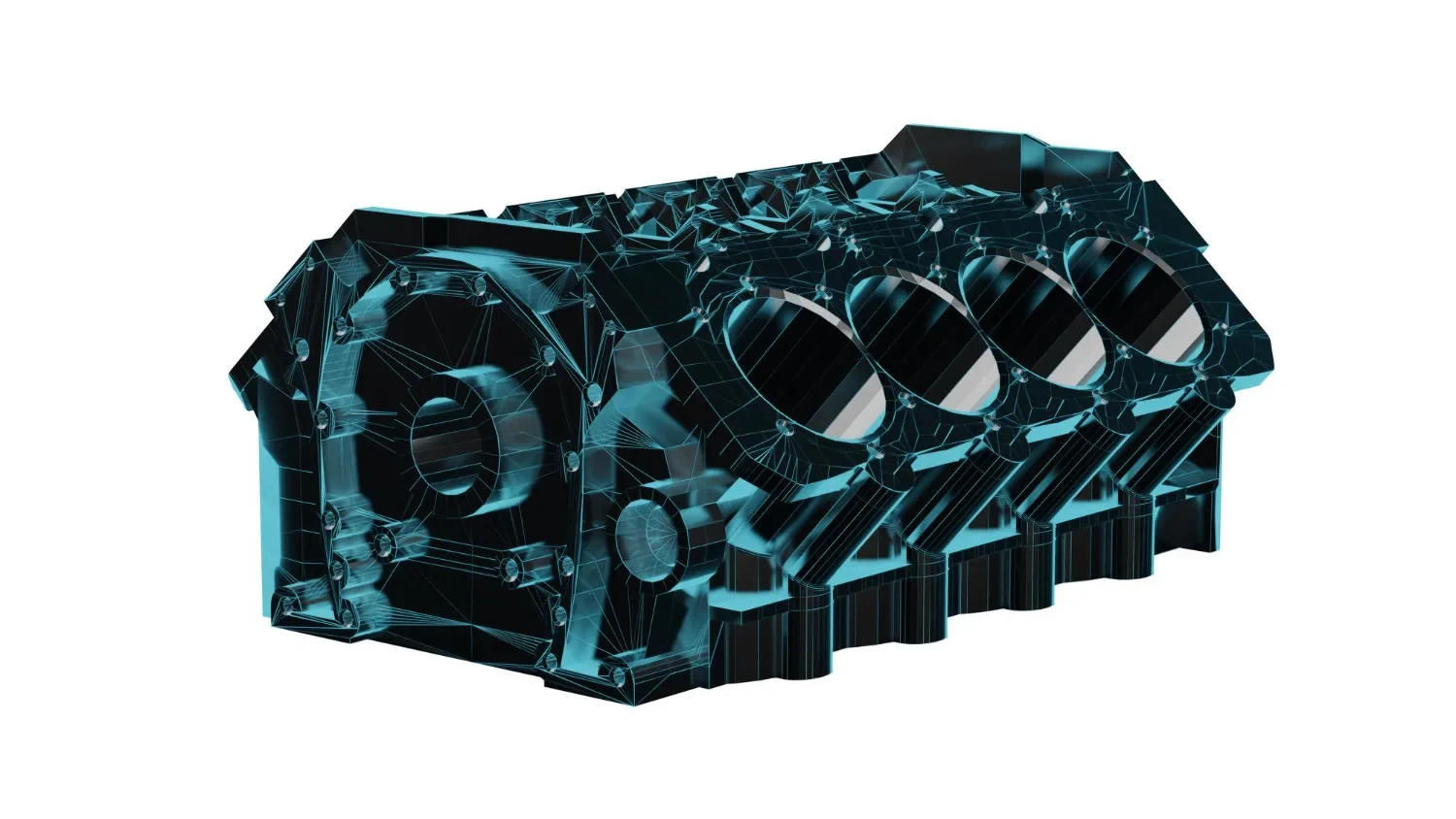
You do not need to idle a modern gasoline or diesel engine until it is fully warm. Starting and driving shortly after is generally safe, and generally better than a long idle, as long as you avoid high RPMs and heavy loads for the first few kilometers.
The Role of Engine Oil
One of the primary reasons people used to warm up their engines was to ensure proper lubrication. In older engines, oil needed time to circulate and reach optimal viscosity. Modern engines, however, are designed to circulate oil more efficiently, even in cold conditions. This means that the need for prolonged idling has significantly decreased.
Immediate Driving vs. Waiting
Starting your car and driving immediately is generally safe for modern vehicles. However, it's advisable to avoid high RPMs and heavy loads during the first few kilometers. This allows the engine components to reach their optimal operating temperature gradually, reducing wear and tear.
Old Habits Die Hard
Many drivers still adhere to the old habit of warming up their engines due to misinformation or habit. It's important to update these practices to align with modern automotive technology. For more insights on maintaining your vehicle, check out our Maintenance section.
Conclusion
While it might feel counterintuitive, driving your car shortly after starting it is generally better for the engine, especially with modern vehicles. Always remember to drive gently at first to ensure a smooth and efficient warm-up process.