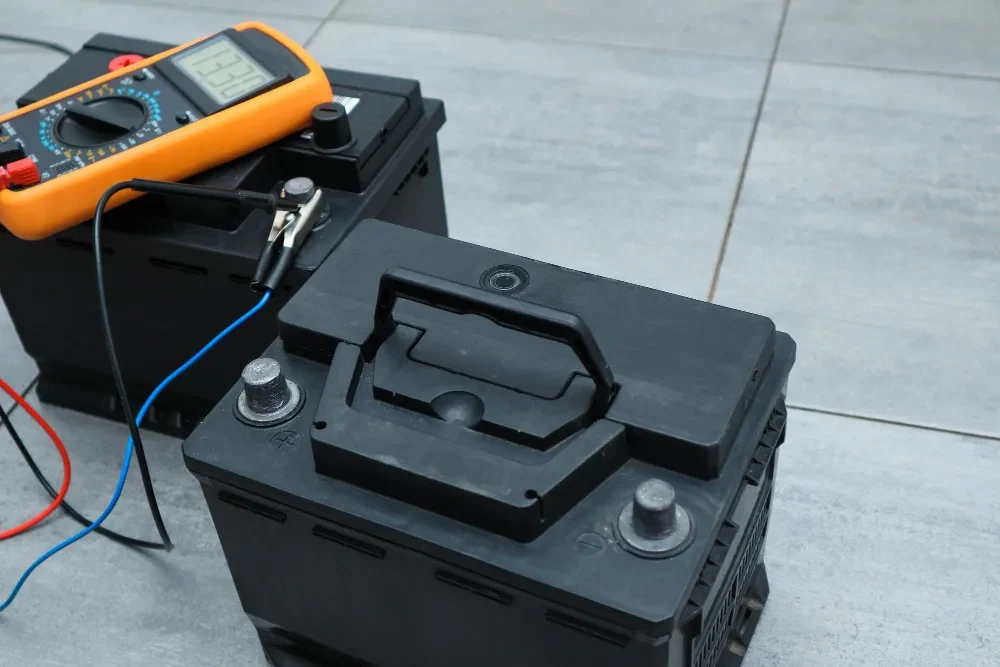
A start-stop system can save fuel by shutting the engine off while the car is stopped, especially in city driving, though the amount depends on how often and how long you stop. It is not automatically harmful: modern systems usually use AGM or EFB batteries and reinforced starters. Frequent restarts can still be harder on older cars that were not built for the feature, and on turbocharged engines that need time to cool.
How the Start-Stop System Works
The system operates by detecting when the car is at a complete stop, such as at a red light, and then turning off the engine. When the driver releases the brake or engages the clutch, the engine restarts. This process is intended to save fuel that would otherwise be wasted during idling.
Fuel Savings in Urban Driving
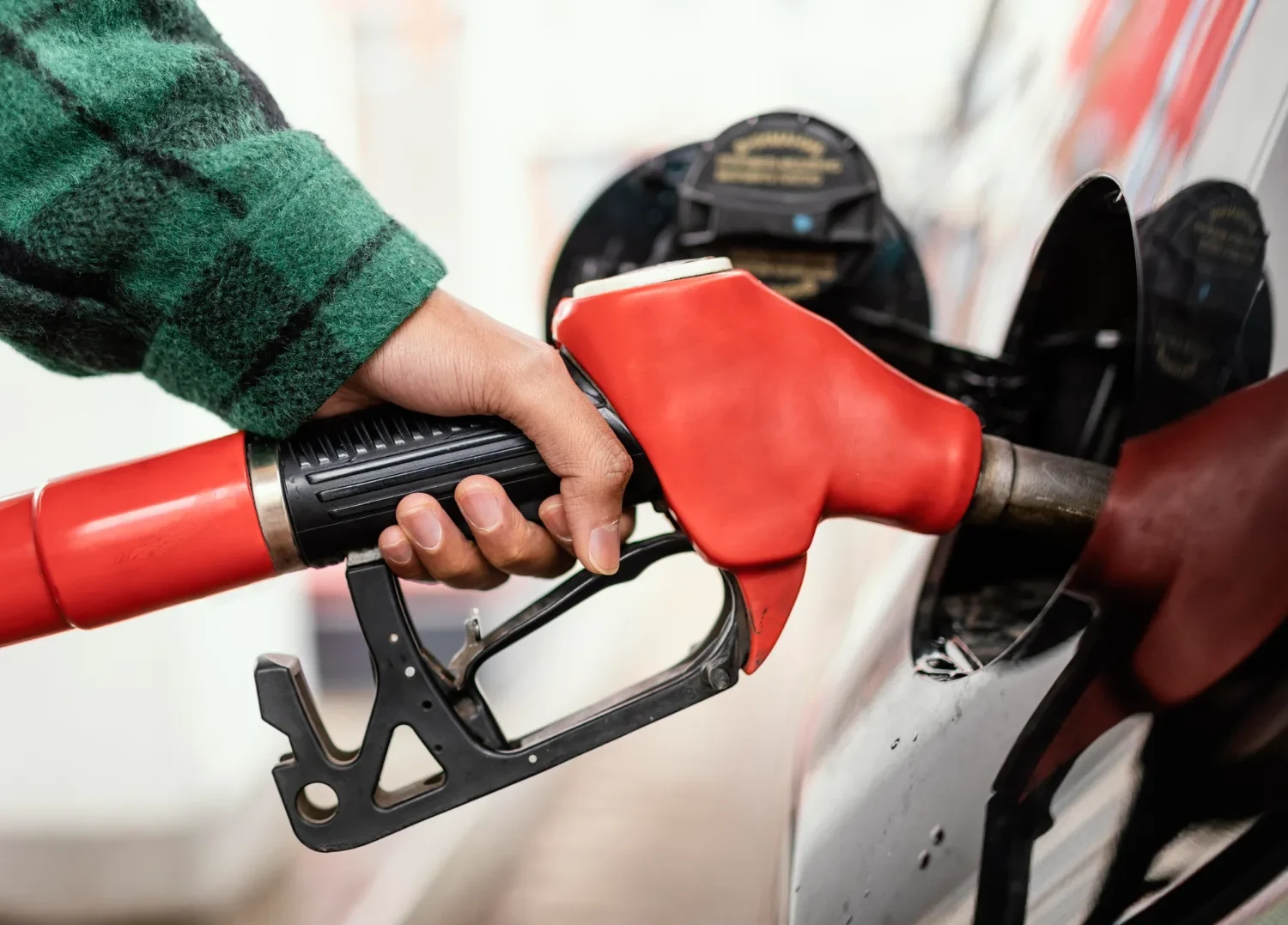
In city driving conditions, the start-stop system can significantly reduce fuel consumption. However, the actual savings depend on various factors, including the frequency of stops and the duration of idling. While some drivers report noticeable improvements in fuel efficiency, others find the savings marginal.
Impact on Engine and Battery
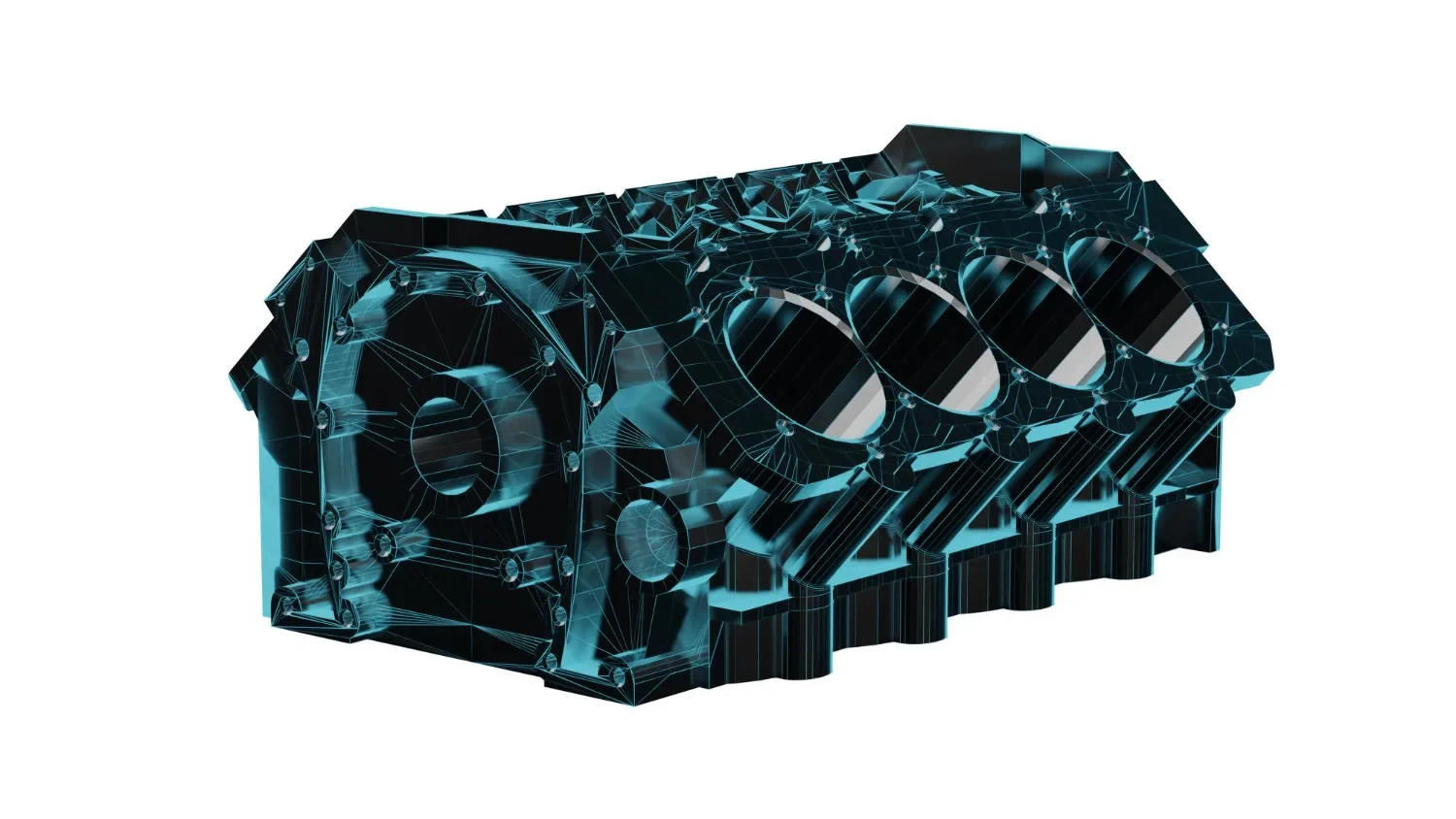
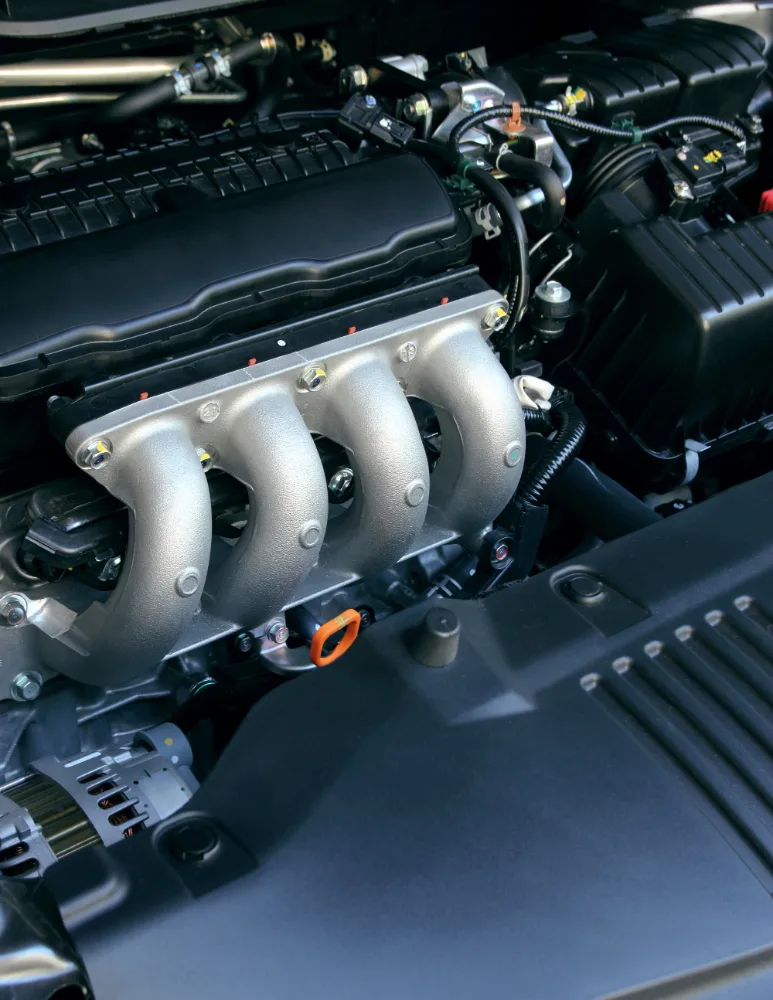
One concern among car owners is whether the start-stop system causes wear and tear on the engine and battery. Modern vehicles equipped with this system often use enhanced batteries, such as AGM (Absorbent Glass Mat) or EFB (Enhanced Flooded Battery), and reinforced starter motors to handle the increased demand. Nevertheless, frequent starting and stopping can still pose challenges, particularly in older models not originally designed for this feature.
Effects on Turbocharged Engines
For vehicles with turbocharged engines, the start-stop system may have additional implications. Turbochargers require a period to cool down after use, and frequent engine shutdowns could potentially affect their lifespan. It's advisable for drivers of turbocharged vehicles to consider these factors when using the system.
When to Disable the Start-Stop System
There are situations where it might be beneficial to disable the start-stop system, such as in stop-and-go traffic where the engine is frequently restarted, or in very cold conditions where battery performance is compromised. Drivers should evaluate their driving conditions and vehicle specifications to make an informed decision.
For more insights on vehicle technology, visit our Technology section.