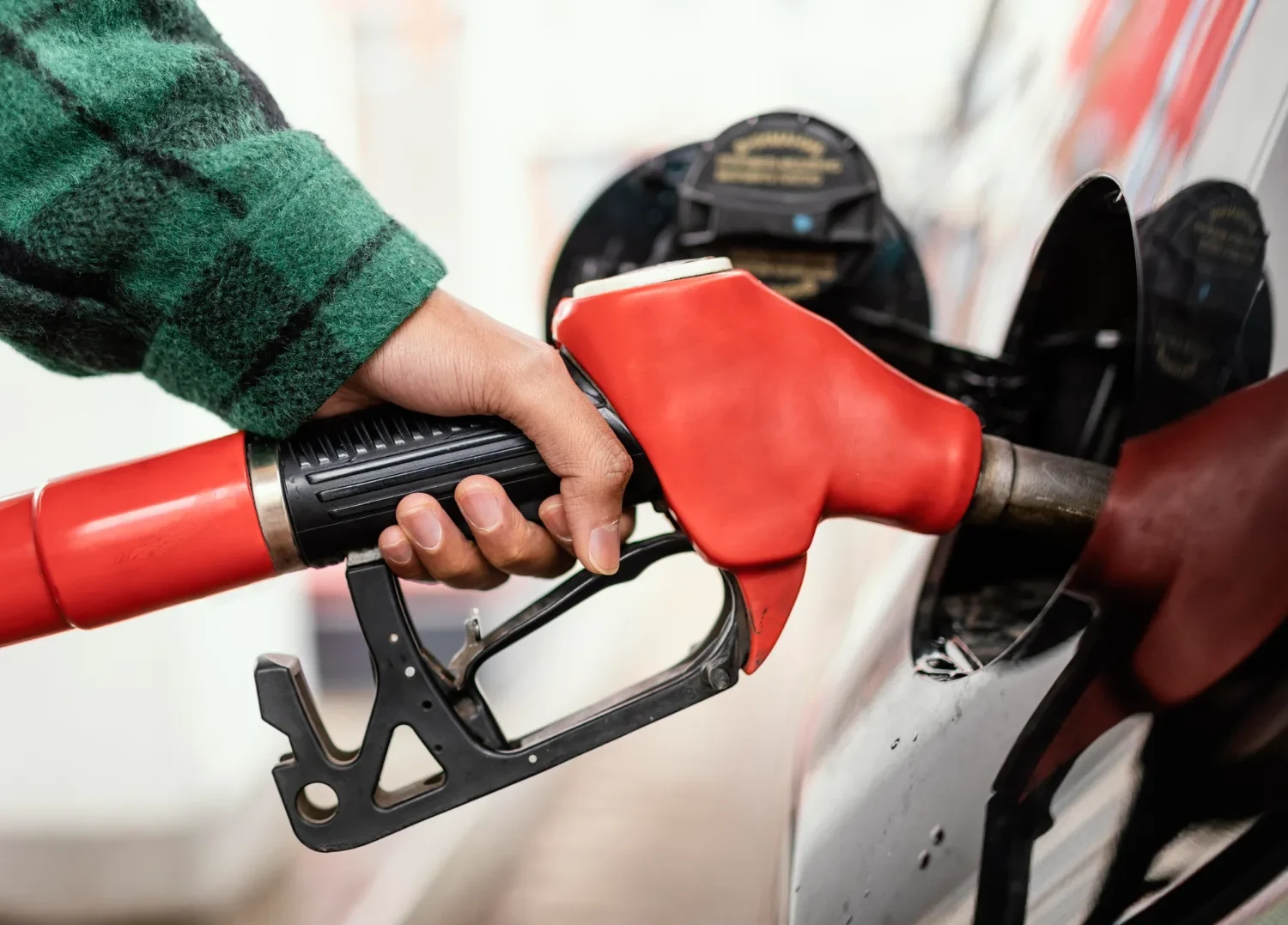
Premium 95, 97, or 98 octane fuel does not improve performance in an engine that is not designed for it. Higher octane resists knocking and is what some turbocharged or high-compression engines require. In a standard engine it is usually an extra cost without a performance or fuel-economy benefit.
What Does Octane Rating Mean?
The octane rating of gasoline measures its ability to resist 'knocking' or 'pinging' during combustion. This knocking occurs when fuel prematurely ignites in the engine's cylinder, which can cause damage over time. Higher octane fuels are designed to withstand more compression before igniting, making them suitable for high-performance engines that operate at higher pressures.
High Octane vs. Standard Engines
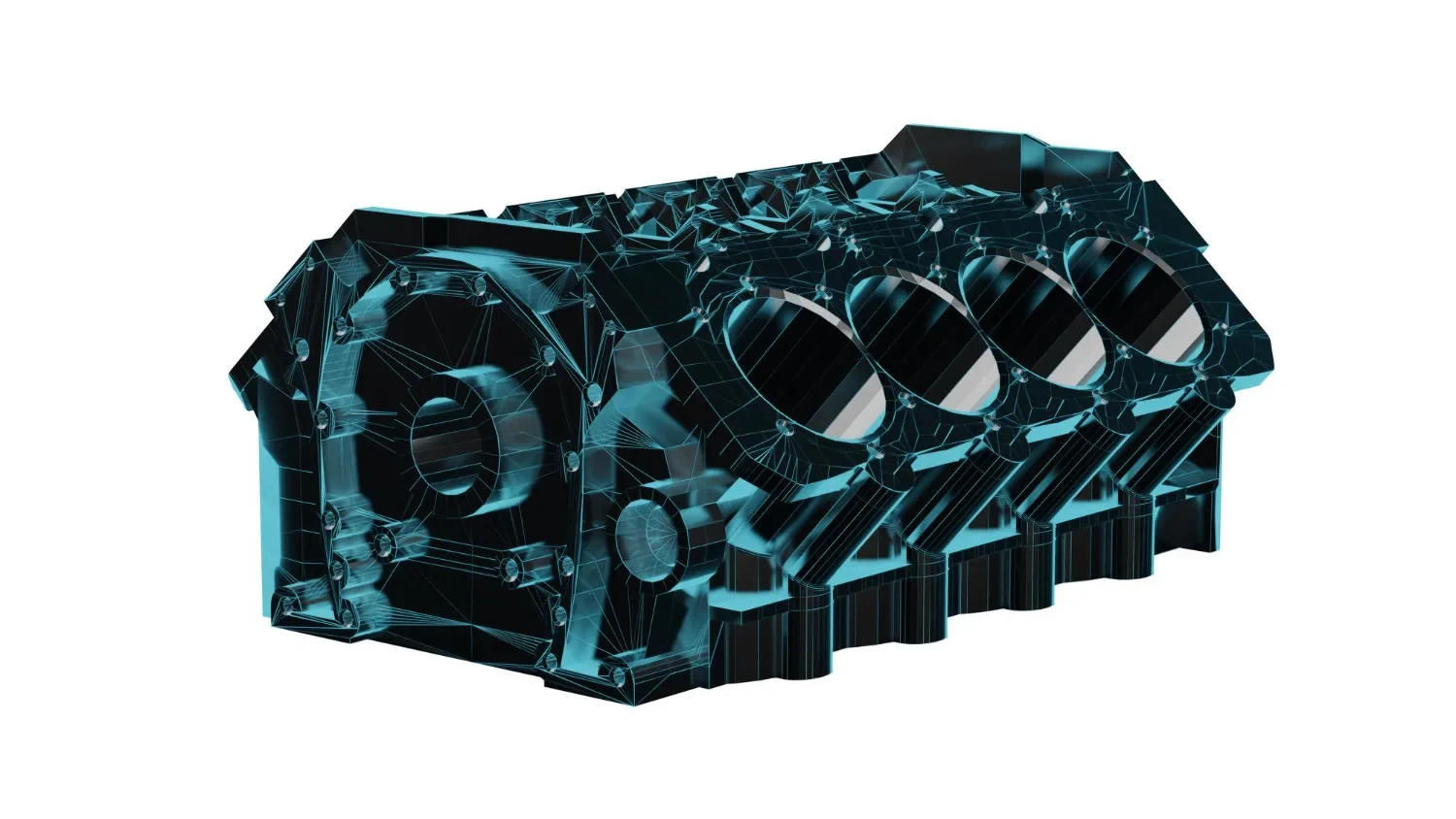
Engines designed for high performance, such as those with turbochargers or high compression ratios, often require higher octane fuel to prevent knocking. For these engines, using the recommended octane level is crucial for maintaining performance and efficiency. However, using premium fuel in a standard engine that doesn't require it typically offers no added benefit and can be an unnecessary expense.
Impact of Using Higher Octane Than Recommended
Using a higher octane fuel than what your car manufacturer recommends does not necessarily improve performance or fuel economy. In fact, it might lead to increased fuel costs without any tangible benefits. It's always best to follow the manufacturer's guidelines for fuel octane ratings.
The Myth of Premium Fuel Superiority
There's a common misconception that premium fuel is inherently better for all vehicles. While it's true that premium fuels can enhance performance in engines designed for them, they do not provide any performance advantage in engines that are designed to run on regular gasoline.
For more insights on vehicle maintenance and performance, check out our Guides and Maintenance sections.