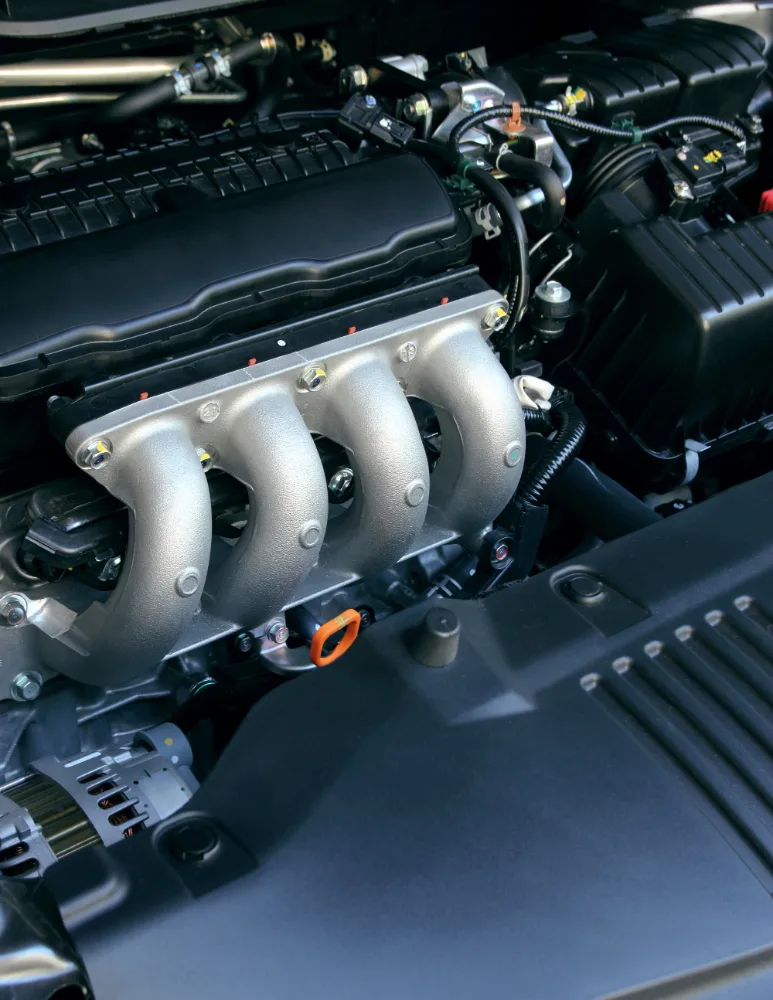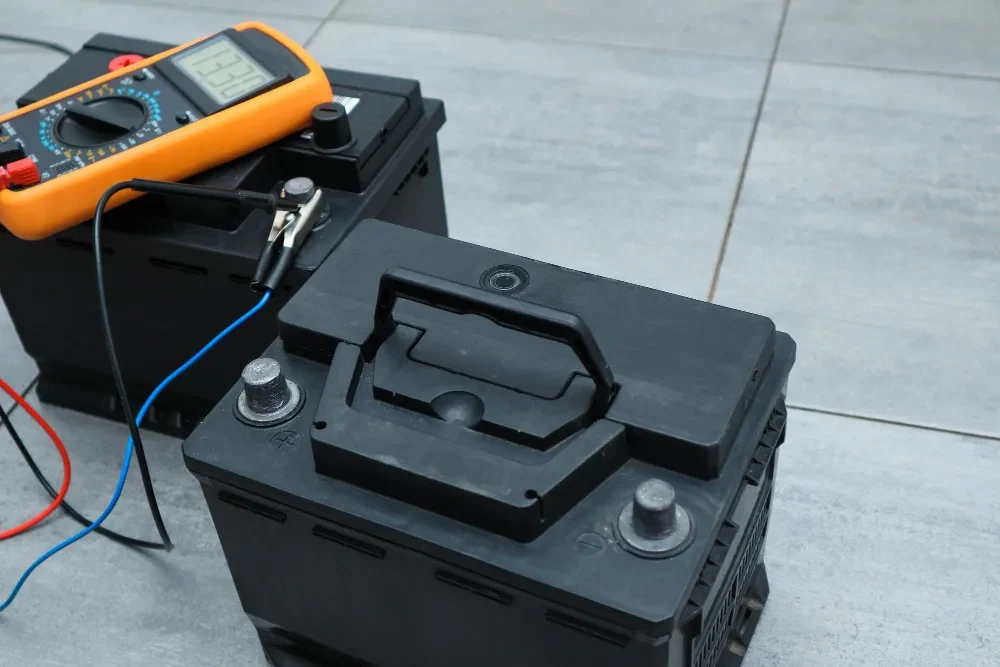
Cars still use 12-volt batteries because that system still starts the engine and powers lights, control units and other electronics, and because the existing parts, cost, safety and compatibility kept it as the standard. A 48-volt mild hybrid works alongside 12 volts rather than replacing it. Electric cars keep a separate 12-volt battery for low-voltage electronics even though propulsion uses a high-voltage pack.
The 12-volt battery has been a staple in the automotive industry for decades. But why does this system persist despite the rapid advancements in automotive technology? To answer this, we need to look back at the history of car batteries and the evolution of electrical systems in vehicles.
The Transition from 6V to 12V Systems
Early automobiles used 6-volt electrical systems, which were adequate for the basic needs of vehicles at the time. However, as cars began to incorporate more electrical components, such as radios and more powerful headlights, the demand for a more robust electrical system became apparent. The transition to 12-volt systems provided the necessary power to support these advancements, establishing a new industry standard.
The Role of the 12V Battery in Modern Cars
Today, the 12-volt battery is responsible for starting the engine, powering lights, electronic control units, multimedia systems, locks, sensors, and other electronic systems. Despite the increased electrical demands of modern vehicles, the 12V system remains sufficient for these tasks.
Why Not Higher Voltages?
With the growing electrical consumption of modern cars, one might wonder why the industry hasn't shifted to higher voltages like 24V or 48V. The reasons include the existing parts ecosystem, standardization, cost, safety, and backward compatibility. Transitioning to a higher voltage system would require significant changes in vehicle design and infrastructure.
The Emergence of 48V Mild-Hybrid Systems
While 12V systems remain prevalent, 48V mild-hybrid systems have emerged to complement them. These systems are not replacements but work alongside 12V systems to enhance efficiency through features like start-stop systems, regenerative braking, and electric-assisted components.
Why Do Electric Cars Still Use 12V Batteries?
Electric vehicles (EVs) have large high-voltage batteries for propulsion, yet they still use a 12V battery for low-voltage electronics. This separation ensures that essential systems like lights and infotainment can operate independently of the main battery, providing a layer of safety and reliability.
Future of 12V Batteries
Questions arise about the future of 12V batteries: Will they be phased out entirely? Why hasn't 48V become the new standard? What happens if the 12V battery dies while the main EV battery is charged? These are intriguing questions that continue to be explored as automotive technology evolves.
For more insights into automotive technology, visit our Technology section on InCarz.